Advancing Mental Health Care Through Clinical Research and Family Therapy
In recent years, mental health care has seen significant advancements thanks to the contributions of clinical research organizations. These organizations play a crucial role in developing new treatment methodologies and improving existing ones, particularly for addiction recovery. At the same time, family therapy in Philadelphia has become an essential tool in helping families navigate the complexities of mental health challenges. This article explores how these two elements—clinical research and family therapy—contribute to the evolution of mental health care and support.
The Role of Clinical Research Organizations in Mental Health
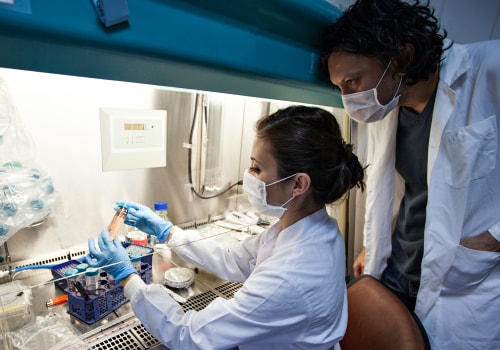
Clinical research organizations are at the forefront of mental health innovation. They conduct extensive studies that help identify new treatment protocols and validate the effectiveness of emerging therapies. These organizations are pivotal in translating scientific discoveries into practical applications that can be used in clinical settings.
By focusing on evidence-based research, clinical research organizations ensure that the treatments being developed are not only effective but also safe for patients. This rigorous approach is crucial in the field of addiction recovery, where precise treatment plans can significantly impact patient outcomes.
Family Therapy: A Vital Component in Mental Health Treatment
Family therapy is an integral part of the healing process for individuals dealing with addiction and other mental health issues. In Philadelphia, family therapy has gained recognition for its ability to foster understanding and support among family members. This therapeutic approach helps families communicate more effectively, resolve conflicts, and build stronger relationships.
Family therapy sessions often focus on:
- Improving communication patterns
- Addressing dysfunctional dynamics
- Providing education about mental health conditions
- Building a supportive home environment for recovery
Q&A
Q: How does family therapy in Philadelphia support addiction recovery?
A: Family therapy in Philadelphia supports addiction recovery by improving communication, resolving conflicts, and creating a supportive environment for individuals to heal alongside their families.
Integrating Clinical Research and Family Therapy for Optimal Outcomes
The integration of clinical research and family therapy creates a comprehensive approach to mental health care. Research organizations provide the scientific backing needed to develop effective therapies, while family therapy ensures these treatments are implemented in a supportive home environment.
For example, Anchor Point, a leading provider in Philadelphia, leverages cutting-edge research to offer advanced family therapy options. By combining innovative treatment strategies with the personalized support of family therapy, they can offer patients and their families the best chance for sustained recovery.
Conclusion: The Path Forward
As the field of mental health continues to evolve, the collaboration between clinical research organizations and family therapy providers becomes increasingly important. This partnership not only enhances treatment efficacy but also empowers families to be active participants in the recovery journey.
If you or a loved one is facing challenges related to addiction, consider exploring the benefits of family therapy in Philadelphia. For more information on how Anchor Point can assist you, reach out today to begin your path to recovery.